 Book Review:
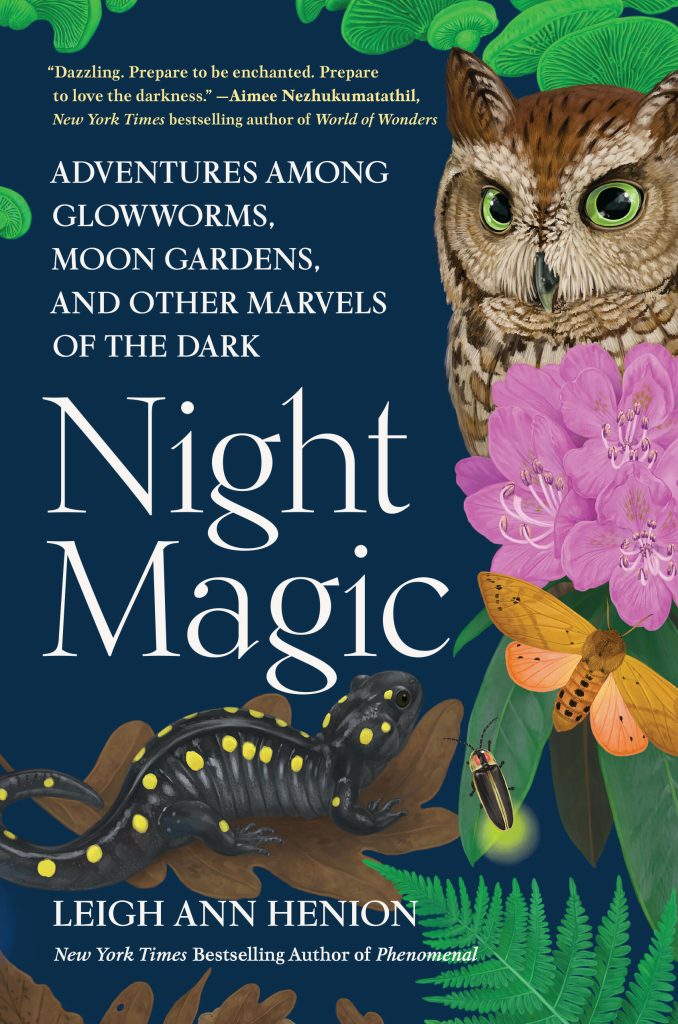
Night Magic: Adventures Among Glowworms, Moon Gardens, and Other Marvels of the Dark by Leigh Ann Henion
By Mary Ann Reuter
Darkness as habitat. Worth protecting. Huh, I never thought about it that way—at least not until I read Night Magic (Algonquin Books of Chapel Hill, 2024) by Leigh Ann Henion.
While the book begins with a tale of her first darkness experience—synchronous fireflies in Great Smoky Mountains National Park—Henion is quick to point out that one doesn’t need to travel far to discover wonder in the dark. It’s as close as our own backyards.
What I loved about this book is that it describes the negative effects of light pollution in a way that doesn’t feel patronizing (like the finger wagging I’m tempted to direct at my neighbor with the blue-light porch beacon). Instead, the author takes a darkness-positive approach by focusing on the biodiversity that surrounds us after sunset, if we just venture out into the dark. Perhaps I should invite my neighbor to join me on a night walk?
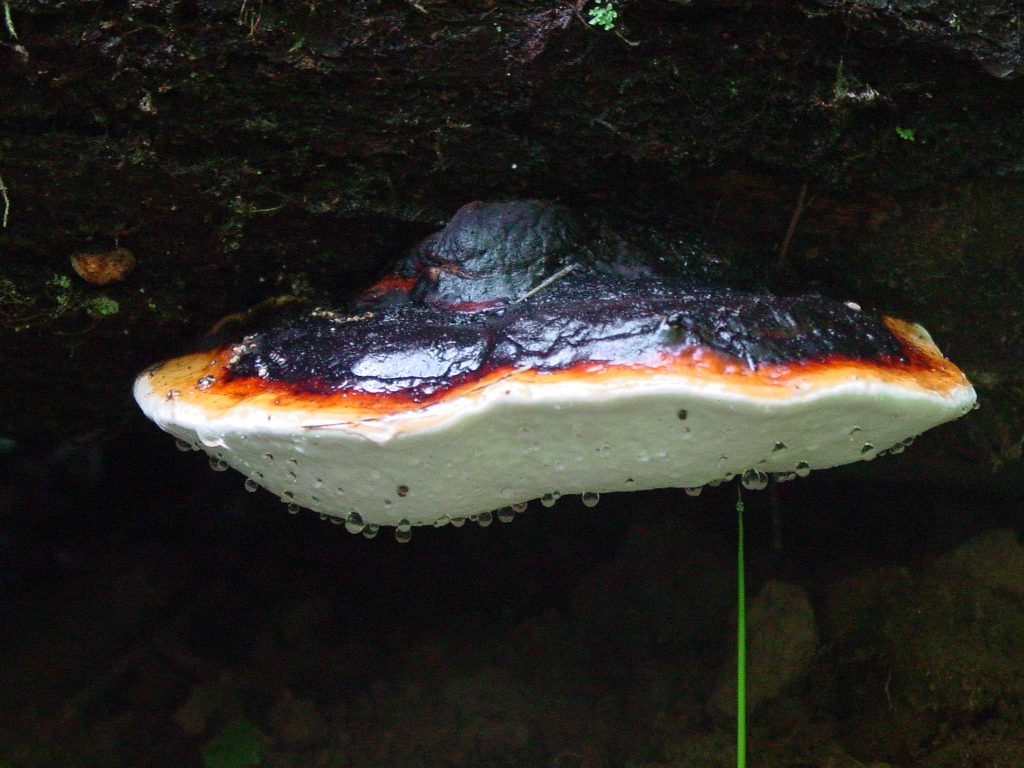
Henion doesn’t discount that many people fear the dark, not to mention screeching owls, squirming maggots, slippery salamanders, eerie glowing mushrooms, swooping bats, and erratic fluttering moths. She gets it. But readers will forget the “otherness” of these creatures of the night as she recasts them as magical instead of menacing.
I also appreciated the author’s humbleness as she made these nocturnal discoveries herself. Instead of presenting as an expert, Henion comes across as a curious, sometimes even clumsy, always enthusiastic explorer. As a night newbie myself, I was reassured when she admitted to initially mistaking the cooing of mourning doves for the hooting of owls.
My favorite chapters were the ones about humid summer nights: “Moths Transforming” and “Bats Flying”—maybe because the two species are so interdependent, prey and predator, co-evolving together. Weeks after a moth festival, Henion attends a bat outing where she considers the pair’s yin-yang dance. Neither victim nor villain, just nature being nature.
There is plenty of solid science writing, explained in an accessible way for novices, to complement the lively, personal narrative. The take-home message for me was a reminder to approach the magical world of dark-dependent creatures and their natural habitat with a “beginner’s mind,” like Henion does. After all, as a bat advocate told her, “If you’re frightened by something, it probably means you have something to learn from it.”
Mary Ann Reuter is a retired marketing professional who loves reading nature books and writing articles about the natural world. She is a graduate of the Montana Master Naturalist program and also the Wild wonder Foundation nature journaling educator program.